Walk, Wonder, Volunteer: Growing Tree Trails Across UK Towns
Why Local Tree Trails Thrive in Busy Towns
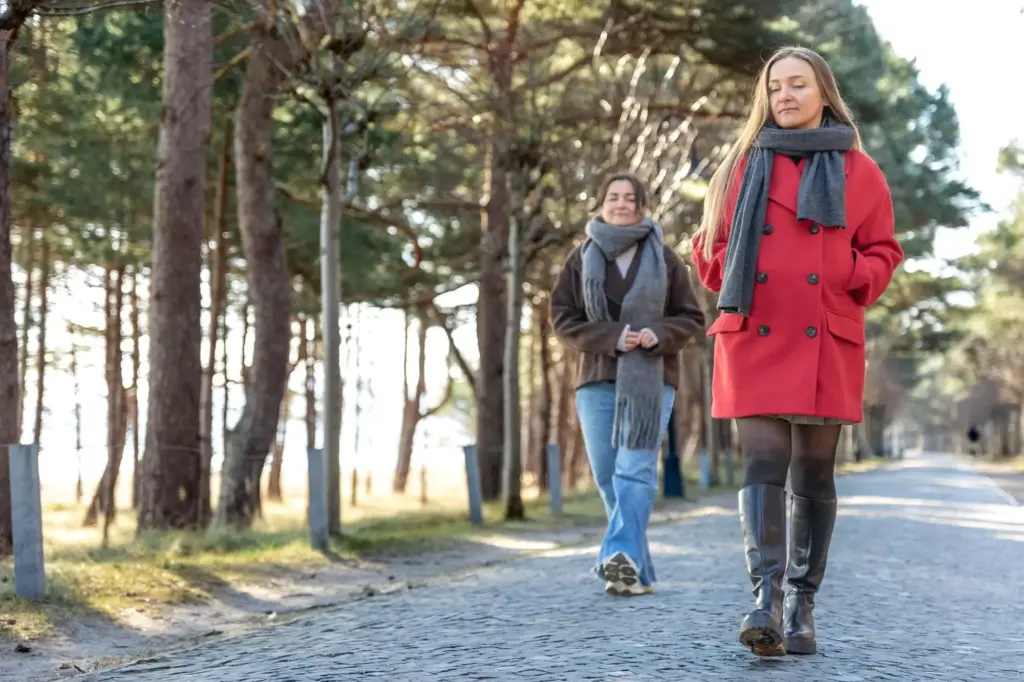
Health and Wellbeing on Footpaths of Leaves
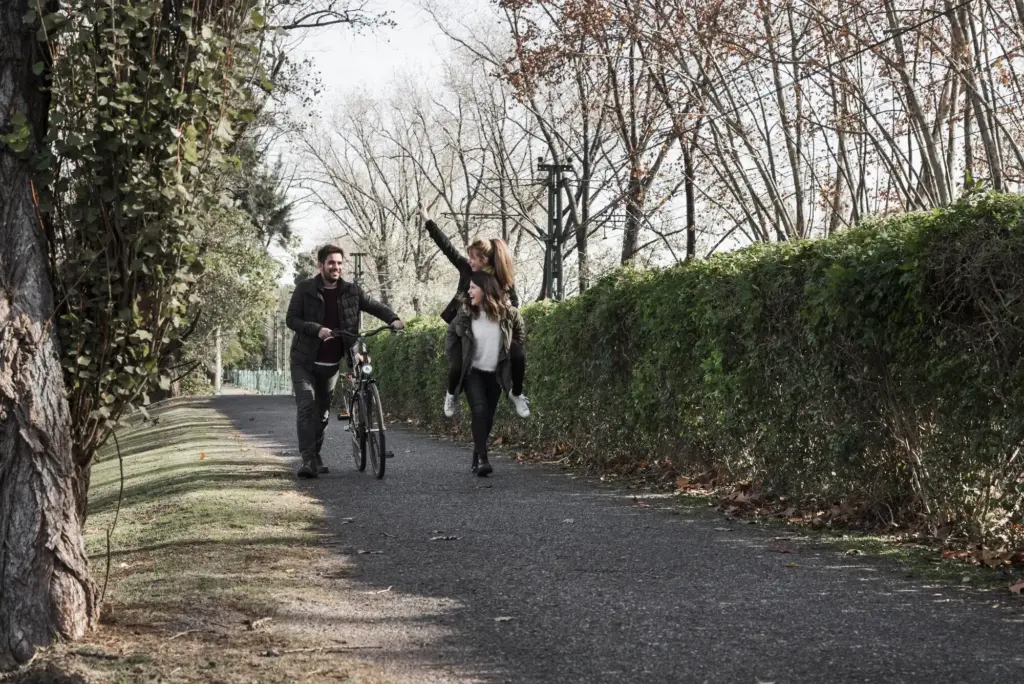
Neighbourhood Biodiversity That Begins at the Curb
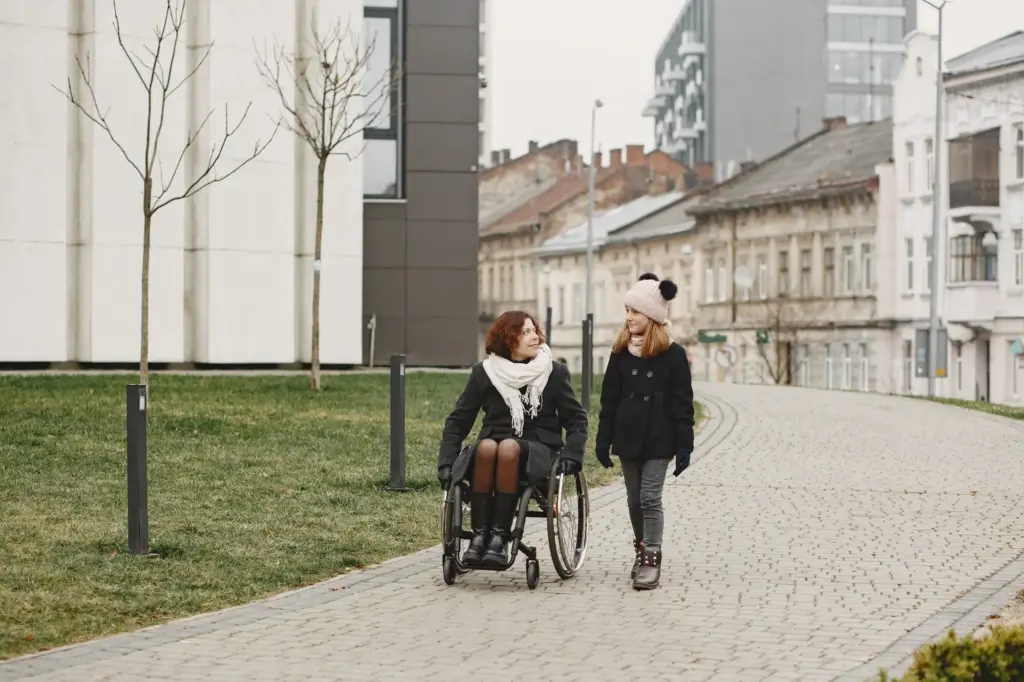
From Idea to Footpath: Building a Trail Together
Signage, Tech, and Playful Interpretation
QR Codes, Simple Apps, and Open Data
Link each stop to short pages featuring audio clips, photos, and species tips. Keep file sizes light for patchy signal and older phones. Share open data—coordinates, species lists, and dates—so schools and researchers can reuse it. Protect privacy, credit contributors, and ensure every digital path leads back to volunteer opportunities and upcoming community walks.
Design for Access, Inclusion, and Comfort
Wayfinding works best when it welcomes everyone. Use high-contrast colours, readable fonts, and uncluttered layouts. Offer step-free alternatives, seating suggestions, and distance estimates. Translate key phrases, include visual descriptions, and mind sensory overload by spacing content. Test with mobility aids, families, and neurodivergent participants. Listening early saves redesigns and deepens community trust and participation.
Seasonal Walks, Youth Challenges, and Creative Rituals
Animate the route with blossom nights, autumn seed swaps, or winter bark hunts. Create a passport for children to stamp at stops, redeemable for library badges. Invite poets, birders, and elders to co-lead. Small rituals—naming new saplings, ringing tiny bells for arrivals—build affection, repeat visits, and the gentle magic that sustains volunteer energy.
Volunteer Care: Training, Safety, and Joy
Risk Assessments and Weather‑Wise Planning
Walk routes beforehand to spot trip hazards, loose fixings, or traffic pinch points. Use simple checklists and adjust plans for wind or heat. Brief volunteers on hydration, clothing, and buddy systems. Keep emergency contacts printed and accessible. Sensible preparation turns potential worries into confidence, allowing the day’s focus to stay on trees and neighbours.
Safeguarding, Boundaries, and Trust
When families and youth groups join, clarity matters. Agree meeting points, parental consent, and photography rules. Follow safeguarding policies from a trusted partner charity or council. Set friendly boundaries—no climbing mature trees, careful tool sharing, respectful conversation. Trust grows when expectations are transparent, feedback is invited, and people feel safe offering their time and enthusiasm.
Tools, First Aid, and Skill‑Sharing
Keep a small, labelled kit: hi‑vis vests, gloves, litter pickers, secateurs for light tasks, wipes, plasters, and hand gel. Start every session with demonstrations and pair newcomers with buddies. Rotate micro‑lessons—bark textures, crown care, map reading—so knowledge circulates. Confidence blossoms when learning feels communal, practical, and immediately useful beneath familiar branches and skies.

Money, Materials, and Momentum
Citizen Science and Canopy Change
Listening Posts, Stories, and Feedback Loops

All Rights Reserved.