Walk, Wonder, Volunteer: Growing Tree Trails Across UK Towns

Join us as we explore community-led tree trail initiatives and volunteering in UK towns, where neighbours map leafy routes, share stories, and care for street trees. Discover practical steps, inspiring examples, and ways you can help your high street bloom with roots, shade, and connection.

Why Local Tree Trails Thrive in Busy Towns
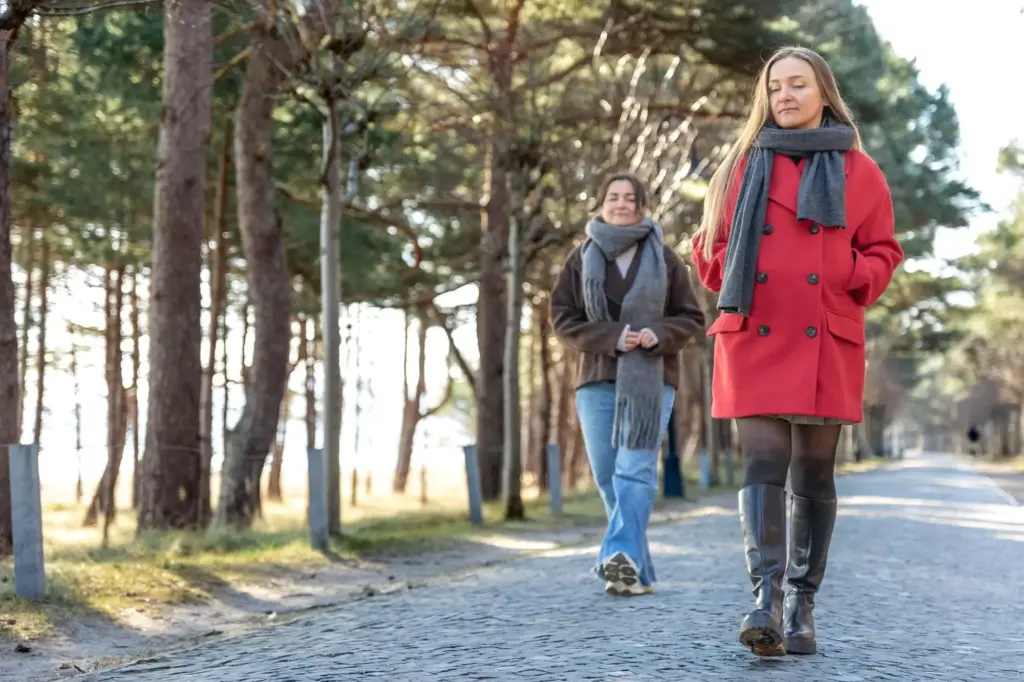
A community-shaped route that highlights remarkable trees brings people outside, builds civic pride, and gently reconnects daily routines with nature. In UK towns, these walks encourage social ties, healthier habits, and environmental awareness, while giving volunteers tangible ways to steward streets, document heritage, and celebrate the quiet, generous work of urban canopies.

Health and Wellbeing on Footpaths of Leaves
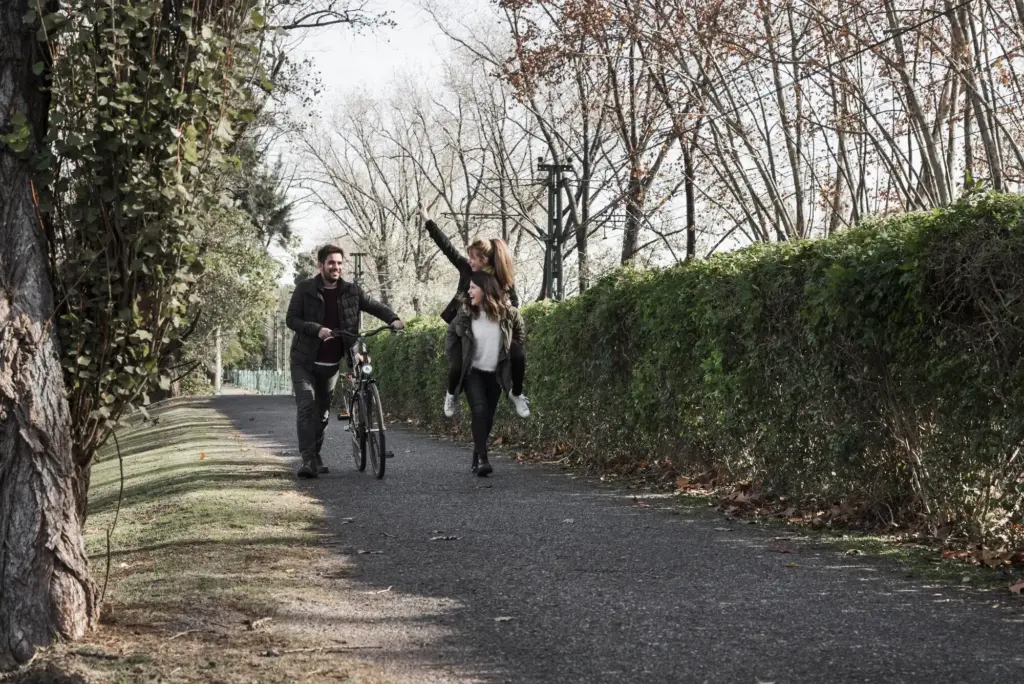
Regular strolls under familiar crowns help reduce stress, lift mood, and make movement feel welcoming rather than demanding. Families push prams past dappled light; older neighbours lean on railings to admire buds; commuters slow their pace. By threading trees into everyday errands, volunteers create gentle invitations to breathe deeper, notice more, and feel grounded together.

Neighbourhood Biodiversity That Begins at the Curb
Street trees link gardens, parks, and pocket greens into small but powerful corridors. Leaves host insects, bark shelters lichens, and berries feed birds passing through town. A trail helps residents recognise species, spot seasonal changes, and record sightings. With simple surveys and shared observations, ecological value becomes visible, cherished, and gradually strengthened through collective care.

From Idea to Footpath: Building a Trail Together

Successful routes begin with patient listening and practical organisation. Neighbours map desires alongside pavements, bus stops, benches, and safe crossings. Partners like councils, schools, and local charities bring permissions, knowledge, and channels to reach diverse residents. Clear roles, realistic timelines, and open meetings let energy grow steadily without exhausting anyone’s goodwill or creativity.

Signage, Tech, and Playful Interpretation

Good interpretation turns a line on a map into an adventure. Blend clear wayfinding with stories, sounds, and small surprises. Use durable, legible materials; add QR codes for deeper dives; and keep digital tools optional. Above all, let curiosity, inclusivity, and humour guide how people meet each tree, season after season, together.

QR Codes, Simple Apps, and Open Data

Link each stop to short pages featuring audio clips, photos, and species tips. Keep file sizes light for patchy signal and older phones. Share open data—coordinates, species lists, and dates—so schools and researchers can reuse it. Protect privacy, credit contributors, and ensure every digital path leads back to volunteer opportunities and upcoming community walks.

Design for Access, Inclusion, and Comfort

Wayfinding works best when it welcomes everyone. Use high-contrast colours, readable fonts, and uncluttered layouts. Offer step-free alternatives, seating suggestions, and distance estimates. Translate key phrases, include visual descriptions, and mind sensory overload by spacing content. Test with mobility aids, families, and neurodivergent participants. Listening early saves redesigns and deepens community trust and participation.

Seasonal Walks, Youth Challenges, and Creative Rituals

Animate the route with blossom nights, autumn seed swaps, or winter bark hunts. Create a passport for children to stamp at stops, redeemable for library badges. Invite poets, birders, and elders to co-lead. Small rituals—naming new saplings, ringing tiny bells for arrivals—build affection, repeat visits, and the gentle magic that sustains volunteer energy.

Volunteer Care: Training, Safety, and Joy

People power these trails, so care for the carers. Offer friendly training on tree identification, tool use, and talking with the public. Keep sessions short, practical, and social. Share snacks, rotate shifts, and recognise every contribution. A culture of safety, kindness, and humour makes returning each month feel natural, valued, and genuinely restorative.

Risk Assessments and Weather‑Wise Planning

Walk routes beforehand to spot trip hazards, loose fixings, or traffic pinch points. Use simple checklists and adjust plans for wind or heat. Brief volunteers on hydration, clothing, and buddy systems. Keep emergency contacts printed and accessible. Sensible preparation turns potential worries into confidence, allowing the day’s focus to stay on trees and neighbours.

Safeguarding, Boundaries, and Trust

When families and youth groups join, clarity matters. Agree meeting points, parental consent, and photography rules. Follow safeguarding policies from a trusted partner charity or council. Set friendly boundaries—no climbing mature trees, careful tool sharing, respectful conversation. Trust grows when expectations are transparent, feedback is invited, and people feel safe offering their time and enthusiasm.

Tools, First Aid, and Skill‑Sharing

Keep a small, labelled kit: hi‑vis vests, gloves, litter pickers, secateurs for light tasks, wipes, plasters, and hand gel. Start every session with demonstrations and pair newcomers with buddies. Rotate micro‑lessons—bark textures, crown care, map reading—so knowledge circulates. Confidence blossoms when learning feels communal, practical, and immediately useful beneath familiar branches and skies.


Money, Materials, and Momentum
With modest funding and smart partnerships, a town can launch a delightful route. Blend microgrants, local sponsorship, and in‑kind donations. Publish clear budgets, thank supporters publicly, and plan maintenance early. When people see transparent stewardship—of money, materials, and promises—they give again, invite friends, and help the trail become a cherished civic habit.

Citizen Science and Canopy Change

Use simple methods—repeat photos from fixed points, leaf‑on versus leaf‑off counts, or basic crown spread notes. Where possible, align with established guidance from trusted UK organisations to ensure consistency. Over seasons, patterns emerge that guide pruning, planting, and storytelling. Data becomes a friendly compass rather than a hurdle, pointing to next, achievable actions together.

Listening Posts, Stories, and Feedback Loops

Place comment cards in cafés, add a short link on signs, and invite audio notes from walkers. Host occasional debriefs with volunteers and partners. Summarise what you heard and what you changed. Closing the loop builds credibility, prevents drift, and reminds everyone that real ownership lives with residents who use, love, and tend the route.